Author: NASOSS Secretariat
Publication Date: 23 February 2026
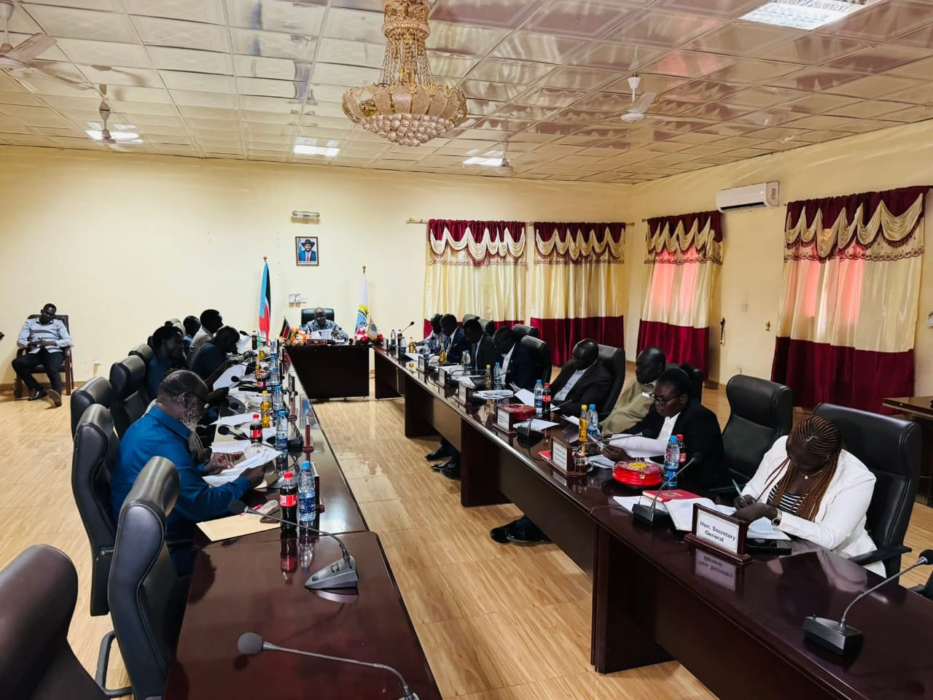
At a time when South Sudan’s health sector remains heavily dependent on donor support, Northern Bahr el Ghazal State has taken a commendable and forward-looking step by approving US $2.5 million as its health budget for the 2025/2026 financial year.
According to a report by Eye Radio, the allocation is intended to support the delivery of essential health services across the state, including the procurement of medicines, support to health workers, strengthening of health information systems, and the upgrading of selected health facilities.
Why This Matters
South Sudan’s health system is widely known to be largely donor-financed, with national and state governments contributing only a small share of the resources required to meet population health needs. This dependency has made health services vulnerable to funding cuts, delays, and shifting donor priorities.
Against this backdrop, the decision by Northern Bahr el Ghazal State to commit its own domestic resources to health is a strong signal of political will and local ownership. It demonstrates that, even within constrained fiscal environments, sub-national governments can begin to prioritize health as a core public good rather than an externally funded service.
A Model Worth Replicating
This move sets an important precedent for other states. Domestic health financing:
- Enhances the sustainability of health services
- Improves accountability to citizens
- Reduces over-reliance on humanitarian and donor funding
- Strengthens alignment with national health priorities and plans
If replicated across other states, such initiatives could gradually shift South Sudan toward a more resilient and nationally owned health system.
Call to Action
As civil society, development partners, and the media continue to review and assess health sector performance, states that take deliberate steps to fund their own health systems deserve recognition and visibility. Spotlighting these efforts not only acknowledges progress but also encourages peer learning and healthy competition among states.
Northern Bahr el Ghazal’s decision should therefore be seen not as an isolated event, but as a call for other states to follow suit, investing in health, protecting lives, and strengthening the foundations of South Sudan’s future.
Source
Eye Radio. Northern Bahr el Ghazal approves US $2.5 million health budget.
🔗 https://www.eyeradio.org/northern-bahr-el-ghazal-approves-2-5-million-us-dollars-health-budget/